
Travel Research
Seven Days in Zhejiang: West Lake, Wuzhen, Shaoxing and Ningbo
Zhejiang is located on the eastern coast of China and is known for its lakes, canals, historic towns, traditional food and modern cities. The province contains many different types of places within a relatively small area, making it suitable for a one-week journey.
A traditional Chinese saying describes the beauty of the region: “Above is heaven; below are Suzhou and Hangzhou.” Hangzhou is usually the best-known destination in Zhejiang, but the province offers much more than West Lake. Wuzhen preserves the appearance of a traditional water town, Shaoxing connects canal life with Chinese literature, and Ningbo combines historic learning with modern culture.
This seven-day route covers Hangzhou, Wuzhen, Shaoxing and Ningbo. The cities are connected by rail and road, so the journey does not require any domestic flights.
The Seven-Day Route
The journey begins with three days in Hangzhou. This provides enough time to visit West Lake, Lingyin Temple, Longjing Tea Village and Hefang Street without placing too many activities into a single day.
The fourth day is spent in Wuzhen, including an overnight stay. The fifth and sixth days focus on Shaoxing, while the final day is used to visit Tianyi Pavilion and Ningbo Museum in Ningbo.
Days 1–3: Hangzhou
Day 4: Wuzhen
Days 5–6: Shaoxing
Day 7: Ningbo
Hangzhou: The Beginning of the Journey
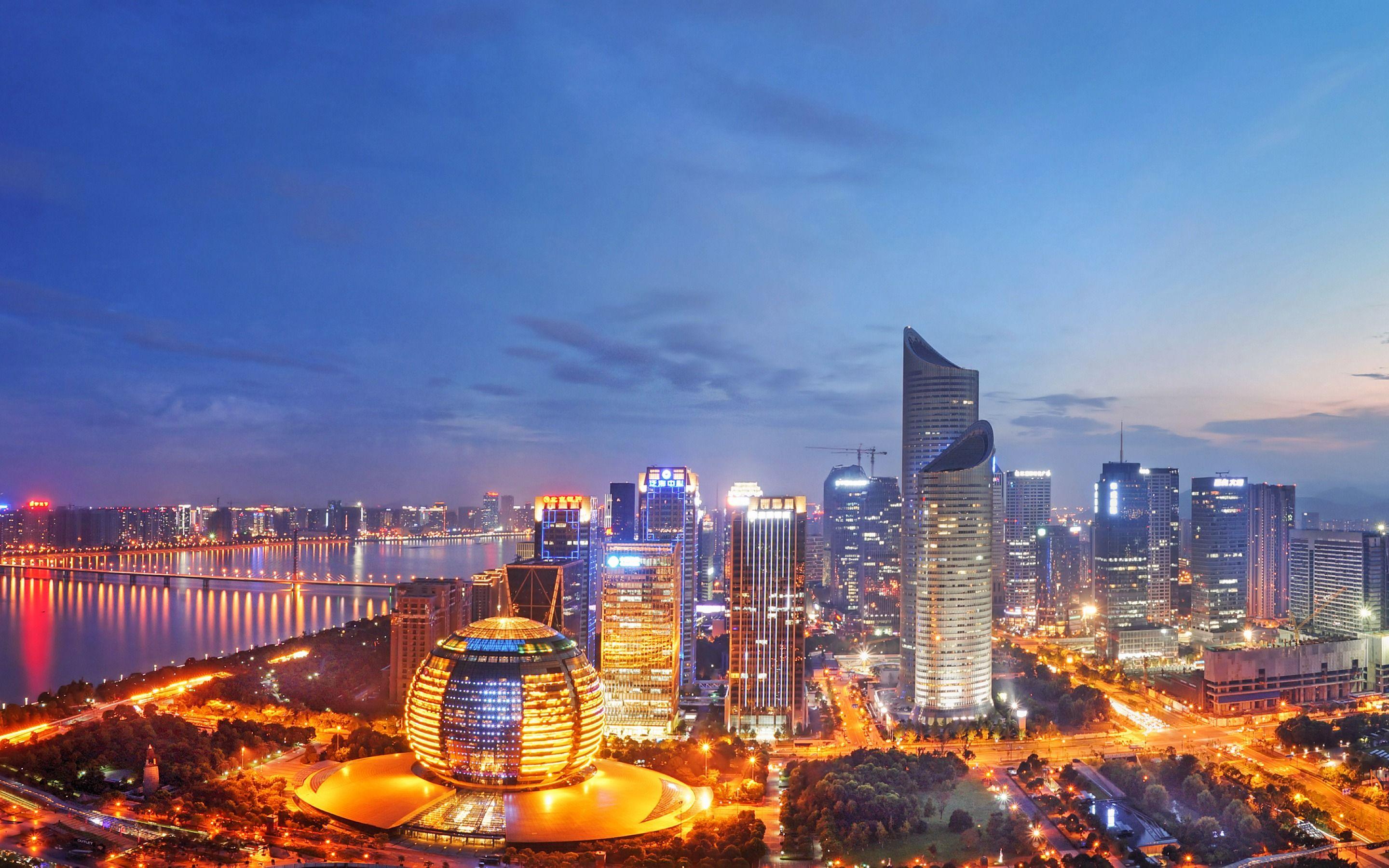
Hangzhou is the capital of Zhejiang Province and the natural starting point for this route. The city is best known for West Lake, but it also contains temples, tea-growing areas, traditional streets and a large modern city centre.
Three days are recommended because Hangzhou’s main attractions are located in different parts of the city. Attempting to visit all of them in one day would leave little time to understand each place.
Day 1: West Lake
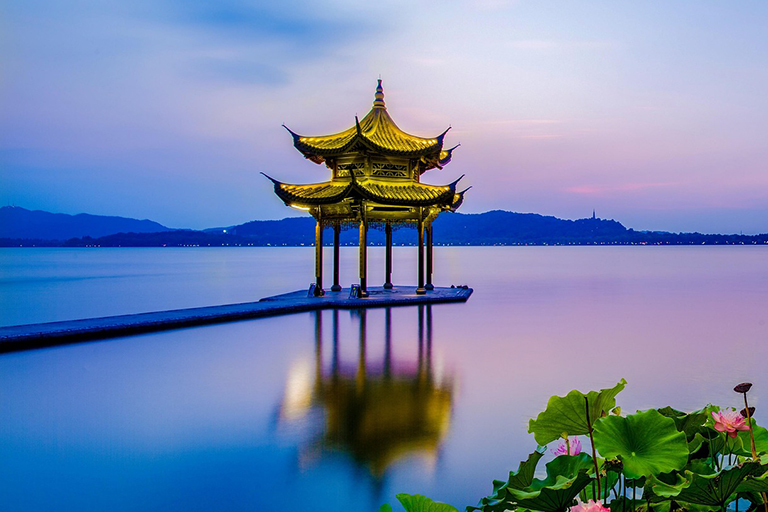
The West Lake Cultural Landscape is included on the UNESCO World Heritage List. Its importance does not come from the lake alone. The surrounding buildings, gardens, causeways and cultural sites have developed together with the natural landscape over many centuries.
Broken Bridge and Bai Causeway are suitable places to begin a visit. From this area, visitors can walk beside the lake and see the surrounding hills. The route is relatively easy, although the entire lake is too large to explore fully in a short visit.
A practical visit should focus on several main areas instead of attempting to walk around the whole lake. Time should also be left for resting beside the water and observing normal life around the lake.
West Lake is busiest during weekends, holidays and the middle of the day. Visiting in the morning usually provides a quieter environment and more comfortable walking conditions.
West Lake Fish in Vinegar Sauce
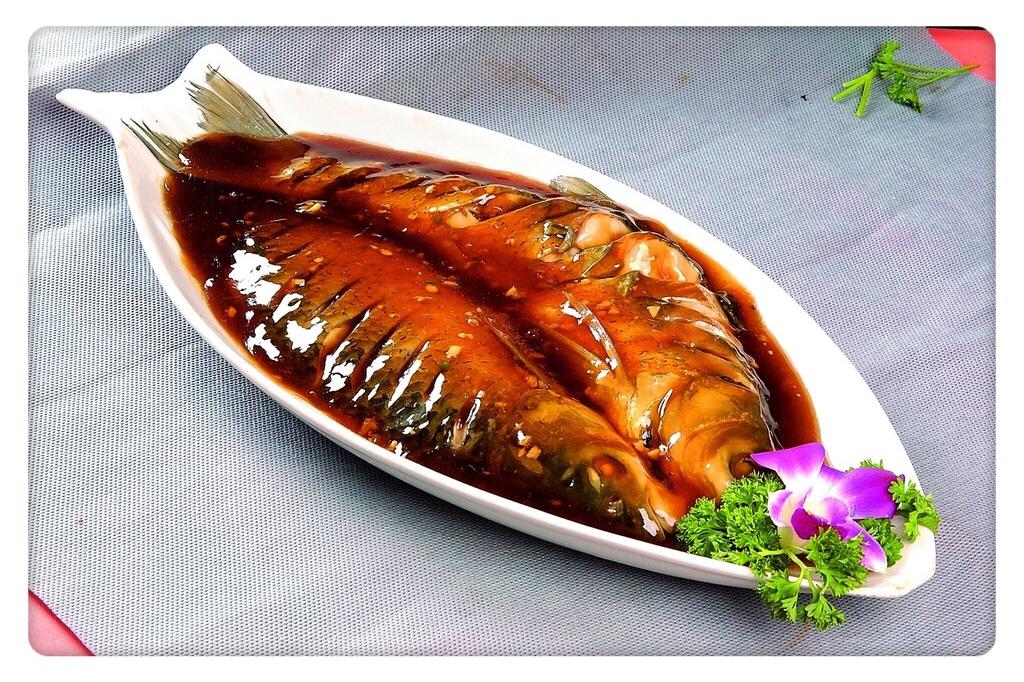
The dish is closely connected with the food culture of Hangzhou, but its flavour may not suit every visitor. The sauce can be much sweeter and stronger than expected. Within our team, it was the least popular local dish and would not be our main food recommendation.
Visitors who prefer lighter flavours may find Longjing prawns easier to enjoy.
Day 2: Lingyin Temple and Longjing Tea Village
The site has a long Buddhist history and remains an active religious location. Visitors should behave respectfully, keep their voices low and follow the rules of the temple.
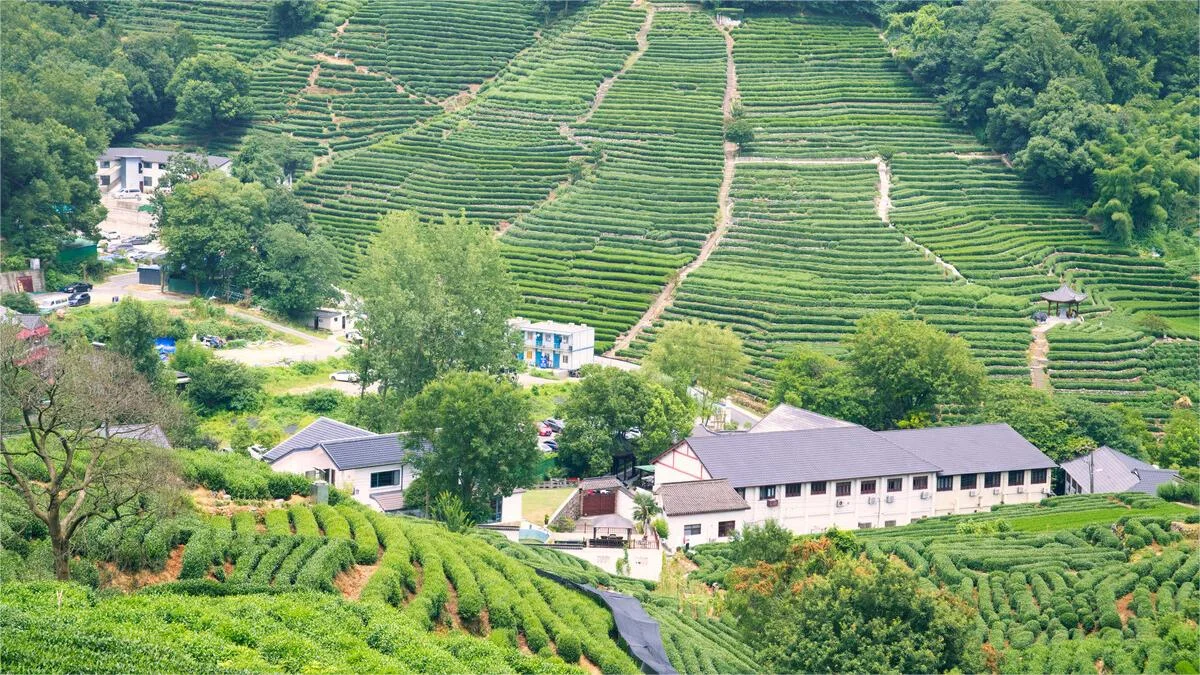
After visiting Lingyin Temple, the route continues to Longjing Tea Village. Longjing tea is one of the best-known products associated with Hangzhou. Tea fields cover the slopes around the village, and many local families remain connected with tea production.
Walking through the tea-growing area provides a different view of Hangzhou. However, some paths are steep, and the area can become hot during the afternoon. Comfortable shoes, water and a slower schedule are recommended.
A short tea break is an appropriate way to end the visit. It also provides an opportunity to learn how Longjing tea is prepared and served.
Day 3:Hefang Street and an Evening Return to West Lake
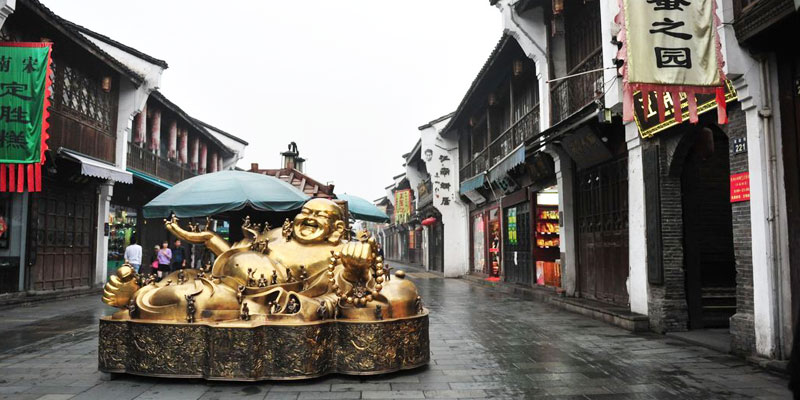
The area can become crowded after lunch. An earlier visit provides more space to walk through the street and examine the buildings and shops.
The afternoon can be left open for rest before returning to West Lake in the evening. Evening conditions are often cooler, and the softer light creates a different view from the morning visit on the first day.
Other well-known Hangzhou dishes include Dongpo pork and Longjing prawns. Dongpo pork has a rich, sweet flavour and a very soft texture. Longjing prawns have a lighter taste and combine fresh prawns with Longjing tea leaves.
Day 4:Wuzhen- A Historic Water Town
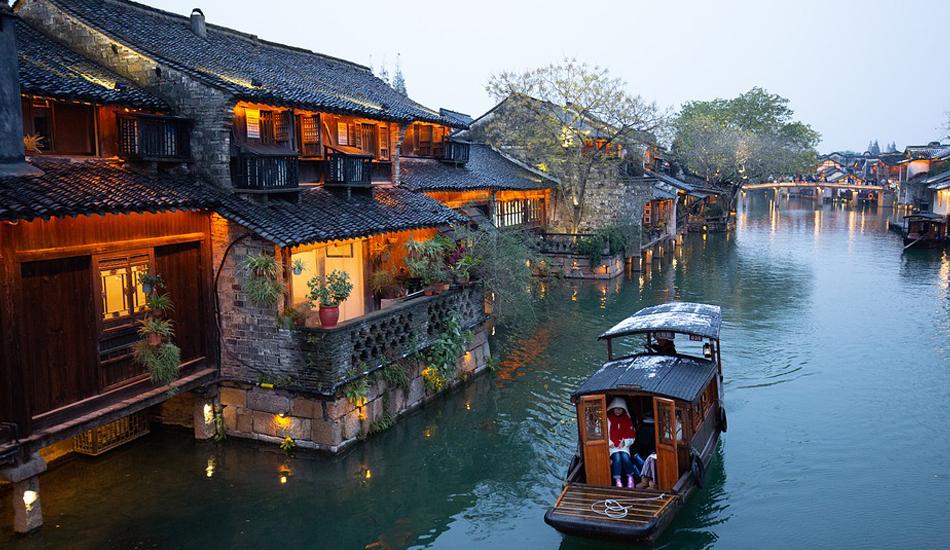
The town has a history of approximately 1,300 years. Water once played an essential role in transport, trade and everyday life. The design of the town still shows how communities in this part of Zhejiang developed around rivers and canals.
Many of Wuzhen’s historic buildings contain wooden structures, tiled roofs and narrow passageways. Stone bridges connect different parts of the town and provide views along the canals.
Wuzhen can be visited as a day trip, but staying overnight provides a better experience. During the afternoon, the main streets may be crowded. After many daytime visitors leave, the canals and smaller streets become quieter.
The evening atmosphere is one of the main reasons to include Wuzhen in the route. Visitors have more time to sit beside the water, walk through the old streets and observe the town without rushing back to Hangzhou.
Shadow Puppetry in Wuzhen
Shadow puppetry is a traditional form of folk art found in Wuzhen. During a performance, flat figures are moved behind a lighted screen to create shadows. Music and spoken storytelling are used to present the story.
The performance is simple in appearance, but it requires careful control of the figures. Shadow puppetry provides a useful introduction to local entertainment before cinema, television and digital media became common.
Including a traditional performance helps the visit move beyond buildings and scenery. It introduces part of the cultural life connected with the town.
Shaoxing: Canals, Literature and Local Life
Shaoxing is the third destination and requires two days. The city is known for its canals, stone bridges, white-walled houses, local food and connections with important figures in Chinese history.
Unlike Wuzhen, Shaoxing is not only a preserved visitor area. Historic streets and canals exist beside residential areas and modern parts of the city. This allows visitors to see how older structures remain part of everyday life.
Day 5: The Historic Centre and Lu Xun’s Native Place
Shaoxing is associated with many important figures in Chinese culture and history. One of the best known is Lu Xun, a central figure in modern Chinese literature.
Lu Xun’s Native Place introduces his childhood environment, family background and the society that later influenced his writing. The area includes traditional buildings and streets connected with his early life.
A visit to this area gives the journey a stronger educational purpose. It also explains why Shaoxing is often connected with literature and historical memory.
Shaoxing stinky tofu is a well-known local snack. Its smell is strong, but the outside is usually crisp and the flavour is less unusual than many visitors expect.
Day 6:Bazi Bridge and a Black-Awning Boat
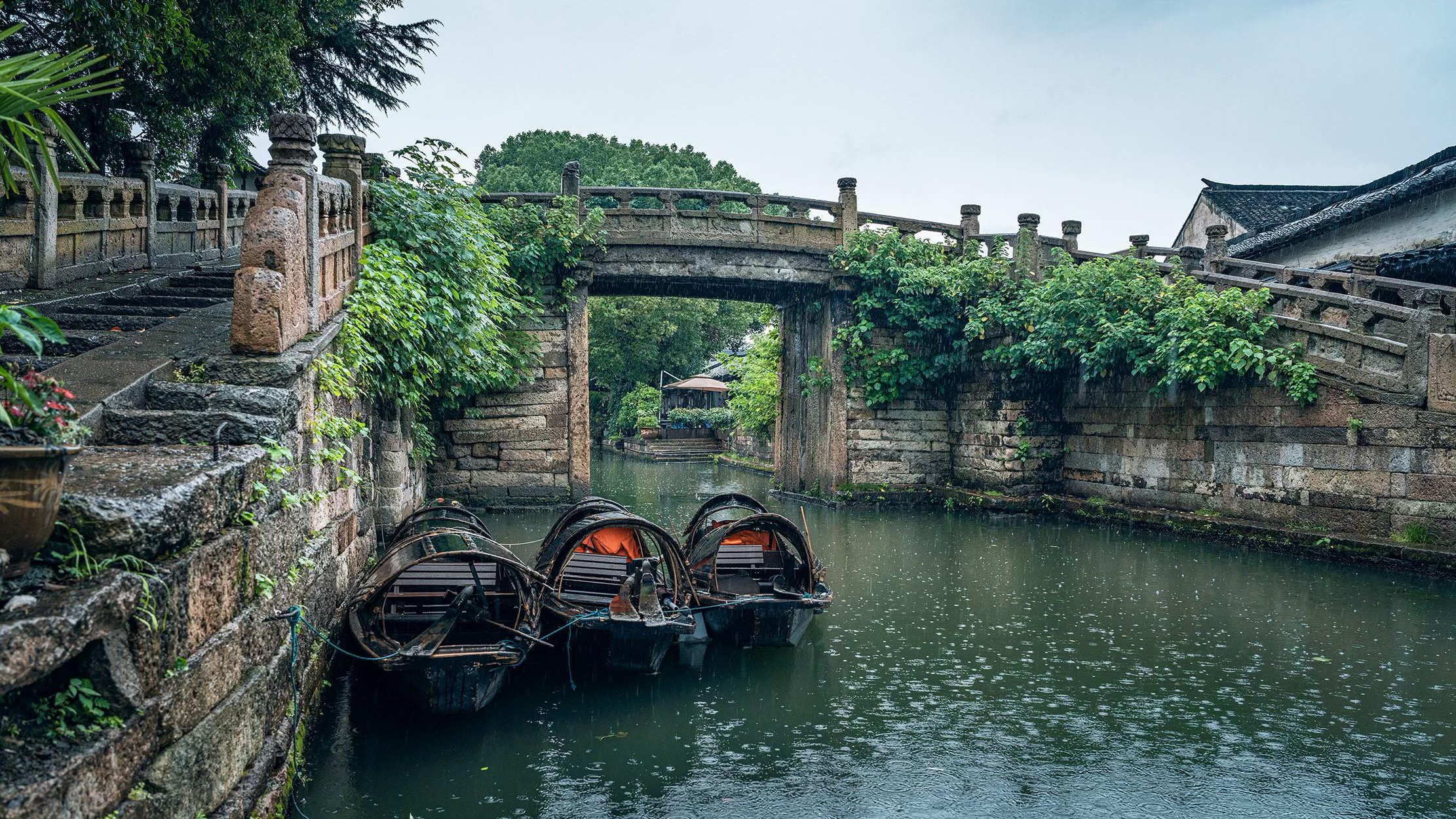
An early visit is recommended because the surrounding area becomes busier later in the day. The bridge also provides a clear view of the old neighbourhood and its relationship with the canal system.
A black-awning boat journey is one of the most direct ways to experience Shaoxing. These narrow wooden boats were traditionally used for travel along the city’s waterways.
Passengers sit close to the surface of the water while the boat moves between old houses, bridges and stone riverbanks. The boats have limited space and may move more than expected, so phones and other belongings should be kept secure.
The boat journey is not simply a tourist activity. It demonstrates why waterways were once essential to movement and everyday life in Shaoxing.
Day 7:Ningbo - Historic Learning and a Modern City
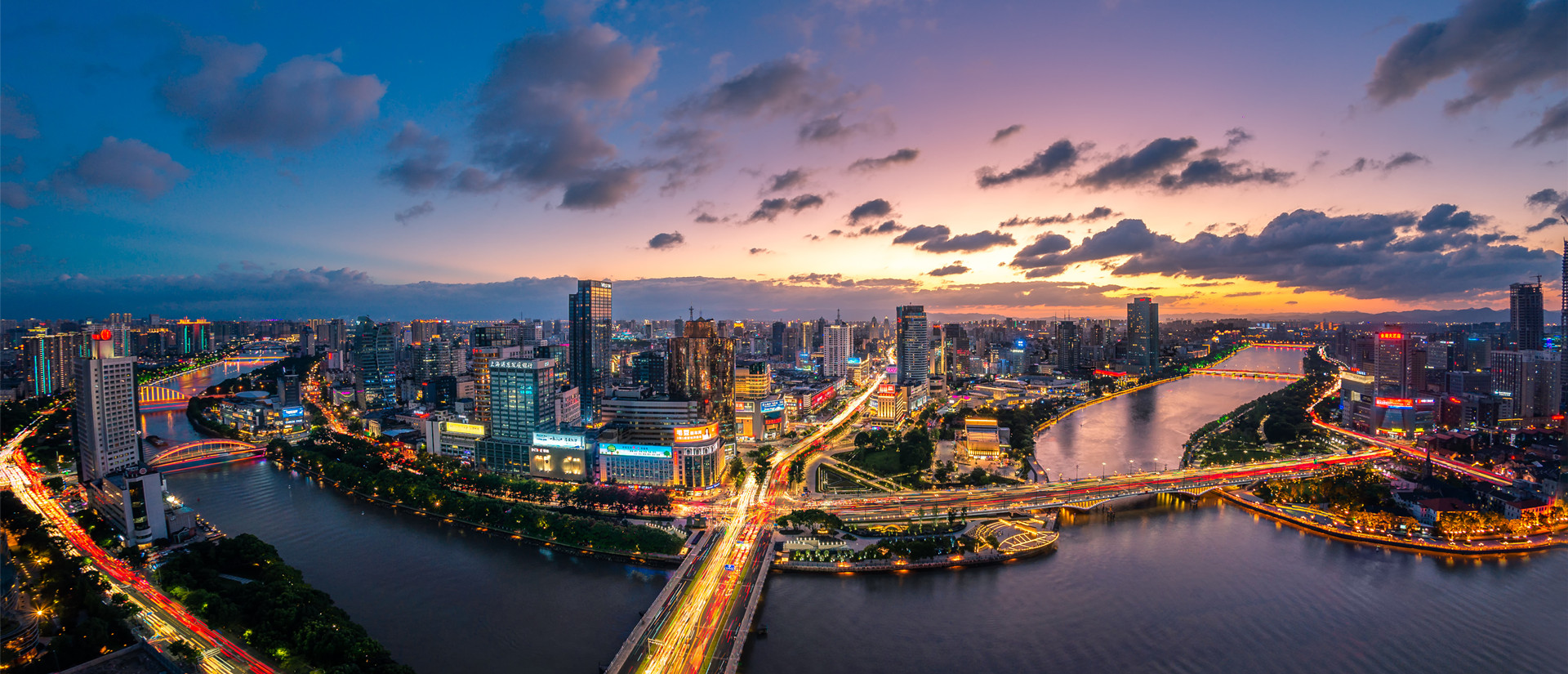
The final day focuses on two contrasting places: Tianyi Pavilion and Ningbo Museum. Together, they show how Ningbo protects its history while continuing to develop as a modern city.
Tianyi Pavilion
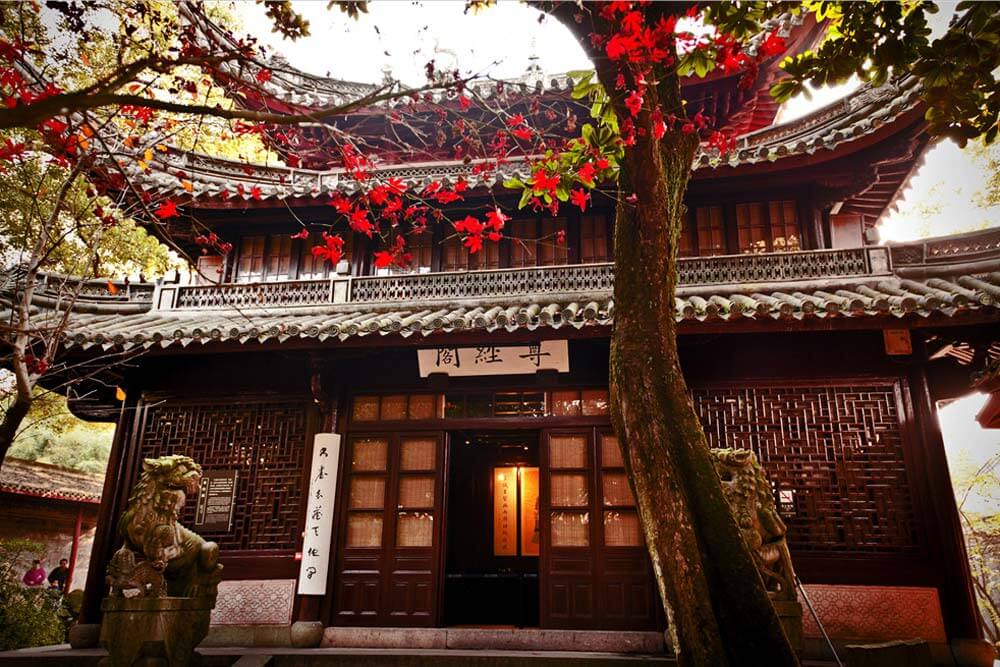
It should not be described simply as the largest book museum in China. Its real importance comes from its age, its historic collection and its role in the preservation of written knowledge.
The site includes library buildings, courtyards, gardens and water features. Its design shows how architecture and the surrounding environment were used to protect books from fire, moisture and other damage.
Tianyi Pavilion also represents Ningbo’s long connection with education, collecting and publishing. The quiet garden creates a strong contrast with the modern city outside.
Ningbo Museum
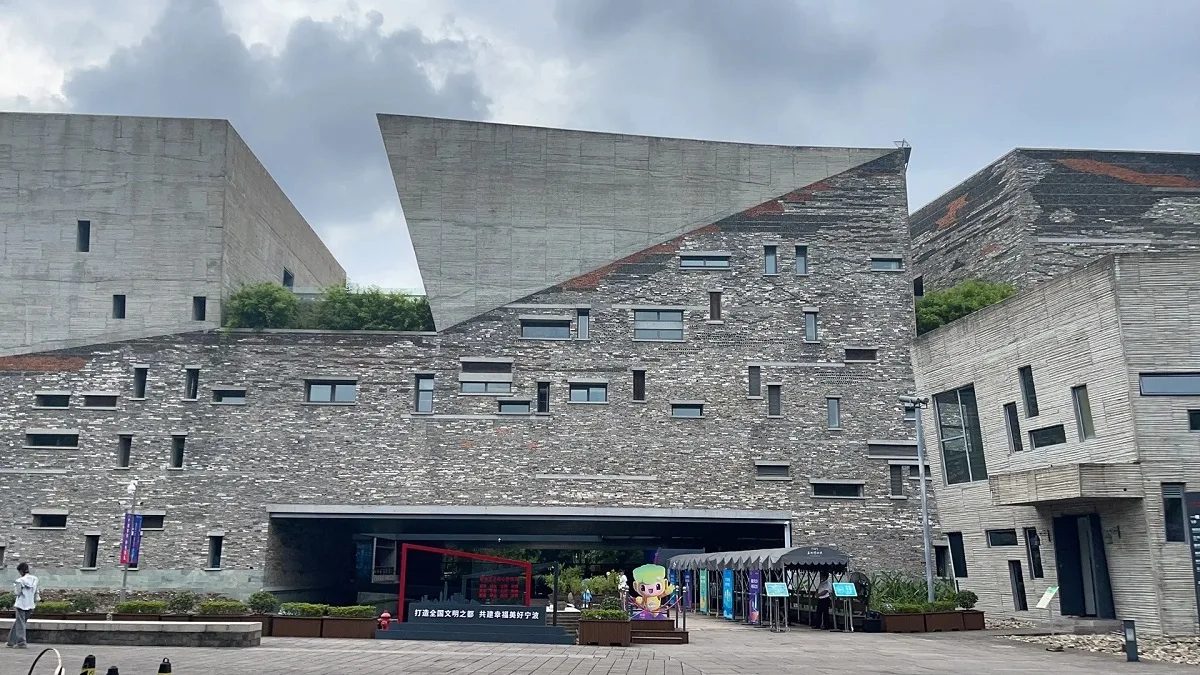
The museum provides a wider explanation of Ningbo’s local communities and its relationship with maritime trade. It is a suitable final stop because it connects the historic themes of the journey with the development of a modern city.
After visiting temples, traditional streets and water towns, Ningbo Museum shows how regional history can be presented through modern architecture and exhibition design.
Cicheng Rice Cakes
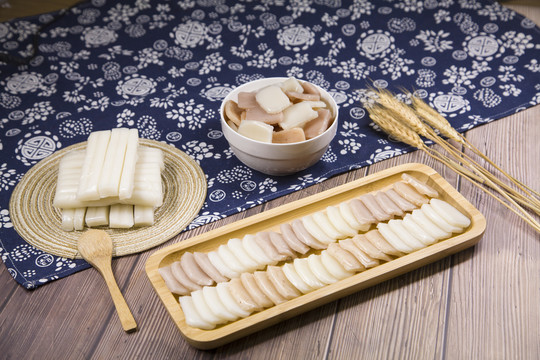
Compared with the stronger flavour of West Lake fish in vinegar sauce or Shaoxing stinky tofu, rice cakes are easier for many visitors to enjoy. They are one of the food items our team would recommend trying in Ningbo.
Practical Travel Planning
The route is designed to balance sightseeing, transport and rest. Hangzhou receives three days because its attractions are located across a large area. Wuzhen receives one full day and an overnight stay, while Shaoxing receives two days for both walking and canal travel.
A practical accommodation plan is:
Three nights in Hangzhou
One night in Wuzhen
Two nights in Shaoxing
Departure from Ningbo on the final evening or the following morning
Moving luggage between cities is likely to be the least convenient part of the journey. Travellers should avoid carrying unnecessary items and should leave enough time for railway stations and road transfers.
At least one free hour should remain in each day’s schedule. This allows for rest, transport delays, crowded attractions or activities that take longer than expected.
Conclusion
This seven-day route presents four different sides of Zhejiang.
Hangzhou introduces the province through West Lake, temples, tea fields and local food. Wuzhen preserves the structure and cultural traditions of a historic water town. Shaoxing combines canals, literature and daily life, while Ningbo connects historic learning with modern cultural development.
The journey can be completed within one week without using domestic flights. It is suitable for travellers who want to understand Zhejiang through its landscapes, historic buildings, waterways, literature and food rather than visiting only its most famous attraction.
Visitors may also take a boat trip on West Lake. Tickets generally cost around US$4 per person.
Estimated Travel Costs
1. Meals generally cost between US$50 and US$80, especially at restaurants located near the main scenic areas.
2. Hotel prices range from approximately US$40 to US$250 per night, depending on the location and standard of the hotel.
3. Public transport in China is relatively inexpensive. A bus journey costs around US$0.40, while a taxi ride may cost approximately US$26, depending on the distance.
References
West Lake Cultural Landscape of Hangzhou
UNESCO World Heritage Centre
[https://whc.unesco.org/en/list/1334/](https://whc.unesco.org/en/list/1334/)
Wuzhen Official Introduction
[https://en.wuzhen.com.cn/web/introduction?id=2](https://en.wuzhen.com.cn/web/introduction?id=2)
Tianyi Pavilion Background
China Daily Government Portal
[https://govt.chinadaily.com.cn/s/202212/08/WS63913c6d498ea274927aaab7/oldest-surviving-private-library-celebrates-400-years-of-history.html](https://govt.chinadaily.com.cn/s/202212/08/WS63913c6d498ea274927aaab7/oldest-surviving-private-library-celebrates-400-years-of-history.html)